What makes outdoor chaise lounges suitable for wet areas?
Outdoor chaise lounges suit wet areas when their frames resist water, their surfaces dry quickly, and their shape lets rain run off instead of pooling. The best choices for pool decks, patios near lawns, and covered spaces use nonrusting materials, stable feet, and simple parts that can be cleaned after splashes, rain, or humidity. Comfort still matters, but in a damp setting, the real test is how little maintenance the piece needs after water has had contact with it.
Wet areas are tougher on furniture than many people expect. Water sits on flat surfaces, collects in joints, softens some materials, and leaves minerals behind when it evaporates. Sun then dries the same pieces again, so furniture near a pool or garden often faces repeated wet and dry cycles. A chaise lounge that feels fine in a dry courtyard may become stained, stiff, or unstable when used beside a pool. Suitability comes from the whole design, not one waterproof label.
Frame material sets the baseline
The frame carries the weight of the sitter and takes the most stress when a chaise is moved, adjusted, or left outside in changing weather. Resin material is a practical fit for wet areas because it does not rust like untreated steel and does not need the same routine sealing as wood. Moisture may bead on the surface and then dry, while the frame keeps its shape. That matters around a pool deck, where splashes are common and metal parts may be exposed to chlorinated or salty water.
Aluminium is another common option because it resists rust, though it can still show wear at joins or where coatings are damaged. Wood can work outdoors, but it needs regular care to keep water from penetrating the grain. Wicker-style pieces also vary widely. Natural fibres hold moisture, while synthetic woven material tends to shed it more readily. The useful question is not whether a material is sold as outdoor furniture, but how it behaves when water stays on it for hours and then dries in the sun.
Resin frames are especially useful where furniture is light enough to move as the day changes. A chaise can be shifted out of standing water, pulled under cover, or arranged around a pool without the same concern about corroded joints. The trade-off is that lighter frames can feel less substantial in windy spots, so weight, base shape, and finish deserve attention alongside water resistance.
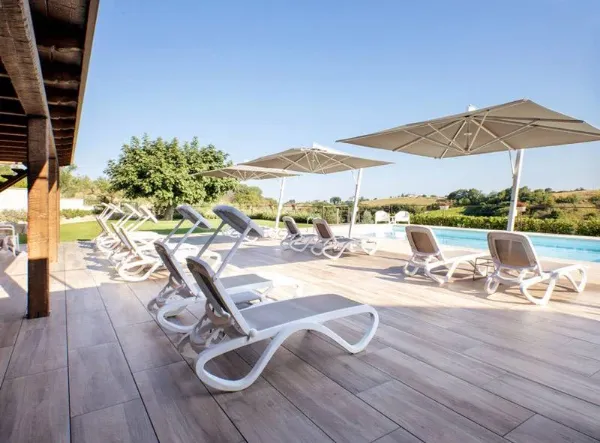
Drainage matters more than appearance alone
A wet-area chaise should not behave like a shallow tray. Look at the seat, the reclining position, and any tray or arm surfaces. Slight openings, slats, or textured patterns help water pass through or run away. If a surface is completely smooth and flat, puddles may form after rain or pool splashes. Standing water can leave marks, encourage mildew on nearby fabric, and make the chair uncomfortable to sit on.
Good water drainage also protects the moving parts of an adjustable chaise. When water gathers around a hinge or pivot, it can carry grit into the mechanism. Over time, that grit may make adjustment stiff or uneven. A design that sheds water quickly keeps those areas drier and easier to wipe clean. It is worth checking the underside as well as the top, because water often collects where a seat meets the frame.
Feet and glides play a quiet role here. They lift the frame from the ground and reduce contact with damp paving. If the feet are solid and easy to rinse, dirt and mineral residue are less likely to build up. On a pool deck, rough or sharp edges can also be a concern, so smooth contacts with paving are useful for both the furniture and the surface beneath it.
Cushions, slings, and drying time
Some people prefer the soft feel of outdoor cushions, while others like the easy care of an open sling or molded seat. In wet areas, the difference is mostly about drying time. Fabric holds water in seams, seams hold water against the frame, and a cushion left damp for long periods may develop mildew. Even cushion covers described as weather resistant are easier to manage when they can be removed, aired, and stored during heavy rain.
Quick-drying foam and open-weave covers can help, but they do not remove the need for airflow. A cushion pressed flat against a solid seat may stay damp longer than one raised slightly or propped to let air move underneath. Sling seating has a different advantage: water tends to pass through or run off, and the surface is simpler to wipe. The compromise is comfort, since a sling may feel firmer than a padded seat over a long afternoon.
Where poolside lounge chairs are used often, the practical choice is usually the one that can be reset quickly after a splash or shower. A chair that needs cushions carried inside every time the sky darkens may still be suitable, but it asks for more routine. A resin or sling design can be rinsed, tilted, and left to dry with less fuss.
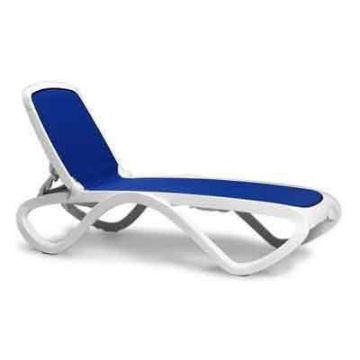
Stability and comfort around water
Wet paving can be slick, and a reclining chair shifts weight toward one end when someone sits back. A suitable chaise needs a wide enough base, steady feet, and a reclining position that feels controlled rather than abrupt. The seat height also affects comfort. Too low, and getting up can feel awkward beside a pool. Too high, and feet may not rest comfortably for some users. Try to picture the chair in ordinary use, not just as a shape in a catalogue.
Adjustability is useful, but it should be simple. Mechanisms that are easy to understand are easier to keep clean. Complex parts with many small gaps can trap sand, leaves, and mineral deposits. In a wet setting, simple construction often lasts better than elaborate styling. A clear lock or stop also helps the reclining position stay steady when someone changes posture.
Poolside lounge chairs also need to suit the space around them. A pool deck leaves less room than a large patio, so the chair should allow safe movement between seats and edges. Water, damp skin, and bare feet make slipperiness part of the setting. Furniture with smooth edges and predictable footing supports a calmer, more comfortable area.
Sun exposure and water together
Wet furniture is rarely shaded all day. UV exposure and water work at the same time: sun can fade colour, dry surfaces, and make some materials brittle, while water can leave deposits or encourage mildew. Resin material designed for outdoor use is generally a sensible choice for this combination, though colour and finish still matter. Darker surfaces may show heat and mineral marks differently from lighter ones. A textured finish can hide small marks better than a glossy surface, which may show every spot after evaporation.
It is also worth distinguishing clean rainwater from water carrying chlorine, salt, sunscreen, or soil. These residues can dry on frames and fabric, then become harder to remove after repeated sun exposure. A quick rinse with clean water helps stop buildup, especially around joints, feet, and textured areas. Harsh cleaners are usually unnecessary for routine care, and strong products may damage finishes or leave their own residue.
Covering furniture can reduce rain exposure, but covers need airflow. A tight cover over a damp chaise can trap moisture and leave fabric musty. If a cover is used, the chair should be dry first, and the cover should allow air to move. In humid climates, shade and ventilation are as useful as a waterproof sheet.
What to check before choosing
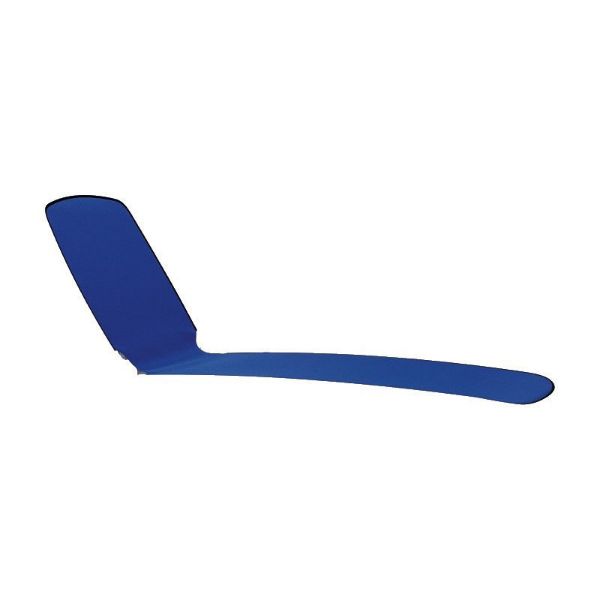
A useful inspection can be done without special tools. Look at the frame for joints where water could sit. Check whether the seat allows water drainage rather than holding it. Move the chair gently to see how the feet contact the ground and whether the frame feels stable. If the chaise reclines, notice whether the mechanism is easy to use and whether gaps are likely to collect grit. For cushioned models, look for removable covers and enough space for air circulation.
No single feature makes a chaise suitable for every wet area. A shaded porch, a busy pool deck, and a lawn edge each create different demands. Resin frames, open seating, steady feet, and simple adjustments form a strong base, but the surrounding space still matters. The right choice is the one that dries quickly, cleans easily, and stays comfortable after ordinary contact with water.
Ends · PORCHSIDELIVING